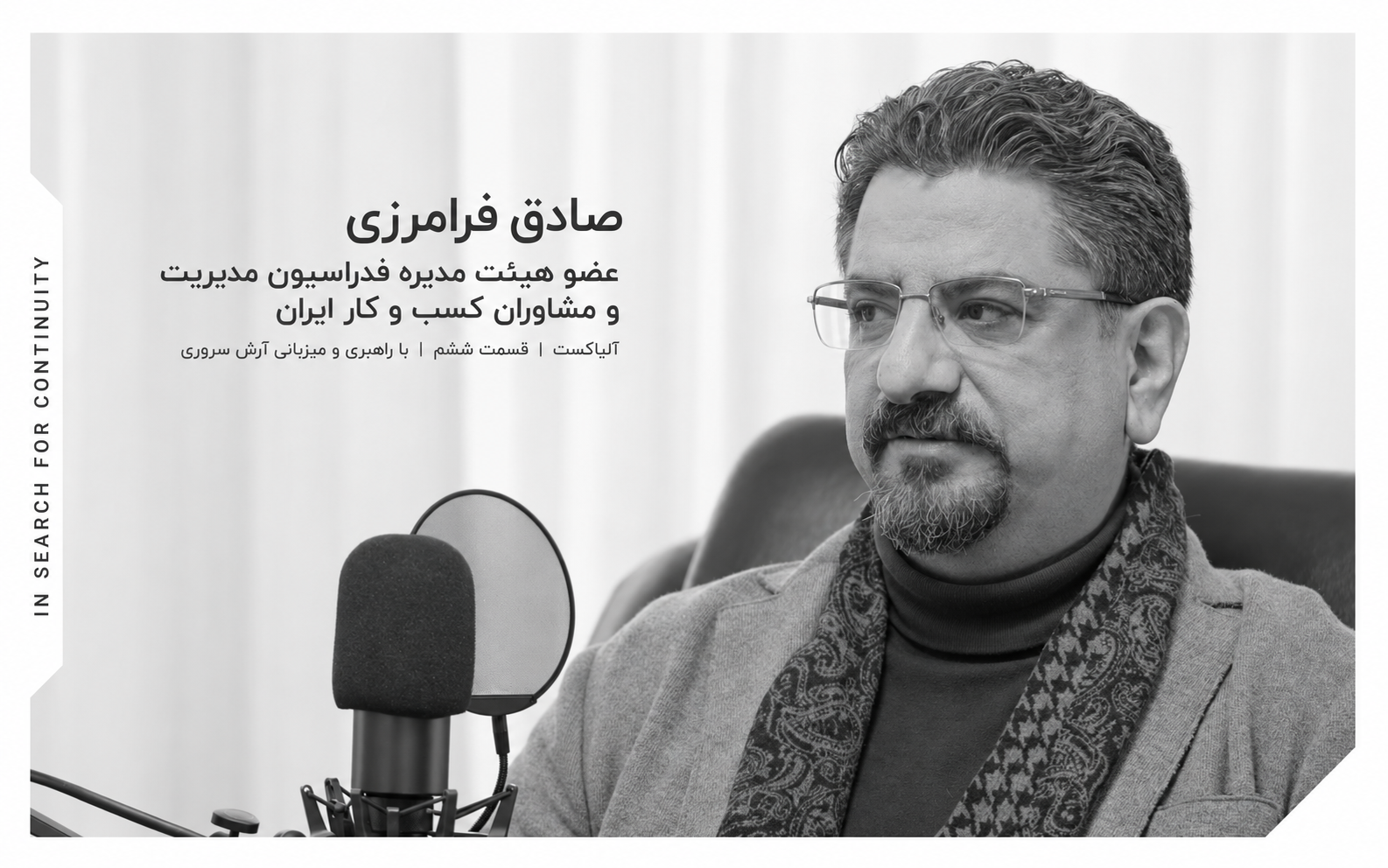
Faramarzi's career developed inside payments and electronic services, where technology, field operations, merchant networks, settlement, support and customer trust are tightly connected. Work at Sayan Card, Fanava Card and Day Electronic Commerce gave him direct exposure to commercial development and PSP operations before larger chief executive roles.
His tenure as CEO of Iran Kish, from 2014 to 2019, became a defining part of that path. The organization needed to rebuild its network, revenue path, team and market confidence at the same time. Turnaround at this level is not completed through one project or one cost reduction.
During the same period, a broad failure affecting one Hypercom terminal model removed a significant part of the network from service at once. Recovery required technical diagnosis, device collection from many locations, component supply, repair, redistribution and intense coordination among technology, operations and support teams.
No document could prescribe every behavior required during that disruption. Employees had to cooperate beyond ordinary role boundaries, move information quickly and recreate operating capacity in the field. Human capital became part of the continuity infrastructure itself.
After Iran Kish, Faramarzi developed PainTech, an approach for the moment when a business leaves its growth narrative and encounters genuine pain in the model, team, economics or regulatory environment. It attempts to make failure, decline and crisis diagnosable.
Leadership of Faraboom moved him into open banking and collaboration among banks and technology companies. APIs and banking-as-a-service create innovation capacity, but they also move the service boundary beyond one organization.
His later work across banking technology holdings, insurance technology and professional advisory keeps the transformation question practical: data, operating models, governance, processes and economic outcomes need to move together.
Faramarzi's relevance to House of Technocrats lies in the move from tools to capability. An organization may own backups, a second data center, procedures and vendor contracts, and still lack evidence that it can restore service under pressure.
SELECTED THEMES