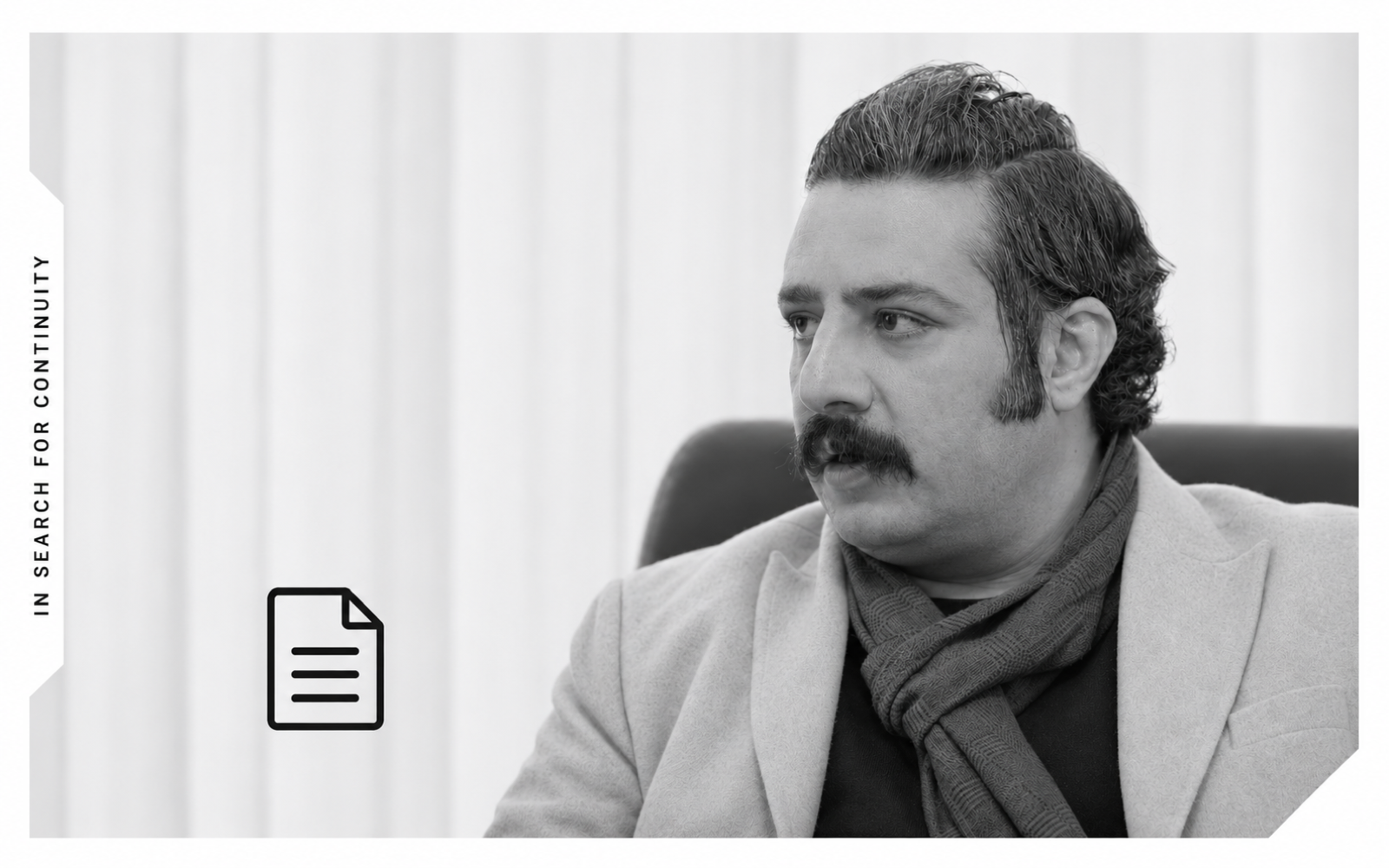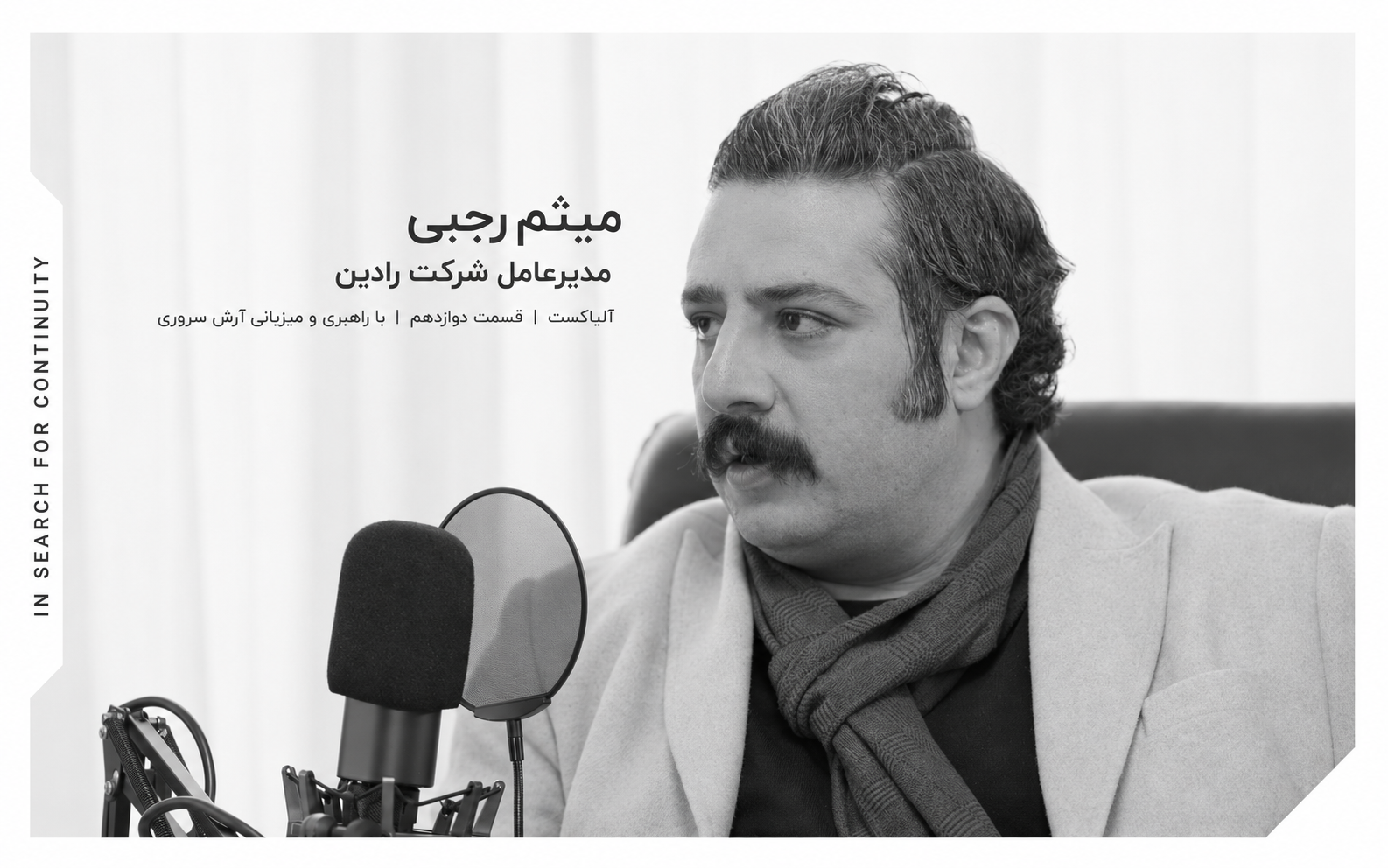
Rajabi's career did not begin as a straight line. Capital markets, aircraft maintenance, planning work in the automotive industry and business development in oil and gas each exposed a different part of the relationship between evidence, economics and management judgment.
He entered information technology in 2012 through Fakhim, part of the Hasin ecosystem. Banking and payment technology connected the company's commercial choices to infrastructure where trust, security and execution discipline mattered.
At Gooshishop, feature expansion had moved the product away from its core value and market. Redesign did not require more functionality. It required subtraction, simplification and a return to the customer problem the product could solve well.
Rajabi later participated in building and developing several businesses across the Hasin ecosystem. A portfolio is not merely a collection of companies. It is a set of capital choices, and each activity has to show the value it creates and the resources it needs to continue.
Since 2019, Rajabi has led Radin. The company emerged from the redesign of established technology businesses and has worked across information security, banking and payment solutions, telecommunications and IoT, blockchain and artificial intelligence.
Within this logic, closure or consolidation is not automatically failure. A project may have absorbed money and time, but prior investment is not a sufficient reason to continue it when the market, economics or organizational capability no longer fit.
Economic instability raises the weight of that choice. In contraction, liquidity, working capital, collection and the ability to reach the next financial threshold become dominant.
Rajabi's relevance to House of Technocrats lies in the clarity of this position: continuity should not be confused with preserving the organization's appearance. Focus, liquidity, committed people and the willingness to stop are defensive capabilities.
SELECTED THEMES